


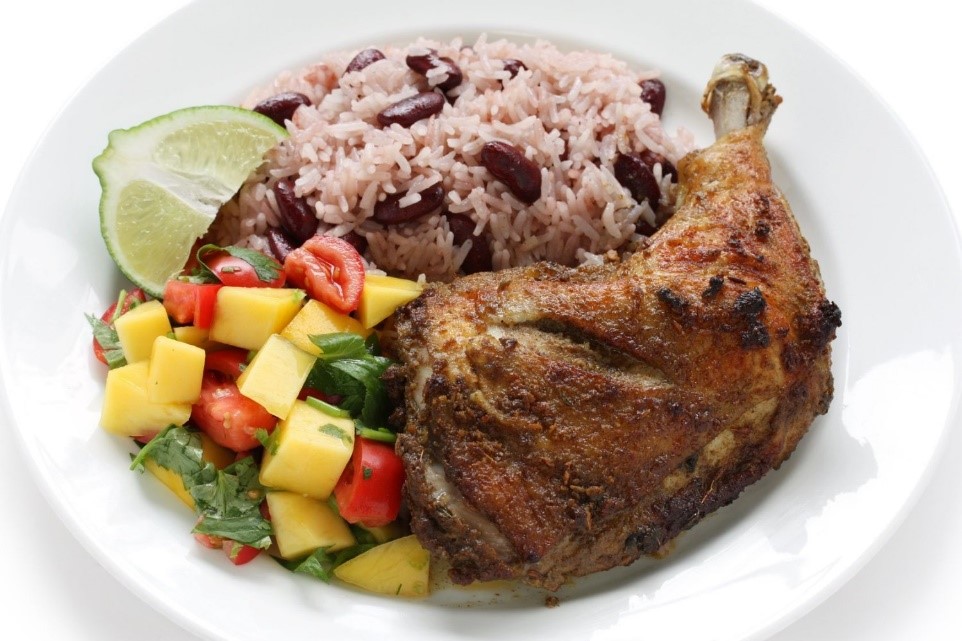
Jamaican cuisine has become one of the most recognizable and celebrated international food cultures in the United Kingdom. Once primarily found in Caribbean communities, dishes such as jerk chicken, curry goat, patties, and ackee and saltfish are now enjoyed by people from all backgrounds across the country.
From independent family-run restaurants to major supermarket chains, Jamaican food has firmly established itself as a key part of Britain’s diverse culinary landscape.
A Culinary Legacy Built by Generations
The growth of Jamaican cuisine in the UK can be traced back to the arrival of Caribbean migrants, particularly the Windrush Generation, who settled in Britain after World War II.
These communities brought with them rich culinary traditions that reflected Jamaica’s unique blend of African, European, Indian, Chinese, and indigenous influences.
For many families, food became an important way of preserving culture, passing down traditions, and creating a sense of home in a new country.
Over time, Jamaican dishes began attracting wider interest beyond Caribbean communities, helping introduce British consumers to new flavors and cooking styles.
Jerk Chicken Leads the Way
Few Jamaican dishes have achieved the popularity of jerk chicken.
Known for its distinctive blend of spices, herbs, and smoky flavor, jerk chicken has become a staple at food festivals, street food markets, restaurants, and takeaways across the UK.
Many chefs have also adapted jerk seasoning for use with:
- Pork
- Fish
- Lamb
- Vegetables
- Burgers
- Pizza
- Sandwiches
The versatility of jerk flavors has helped introduce Jamaican cuisine to new audiences while inspiring creative fusion dishes.
Caribbean Restaurants Flourish
The number of Caribbean restaurants operating across the UK has grown significantly over the past decade.
Major cities such as:
- London
- Birmingham
- Manchester
- Leeds
- Bristol
- Nottingham
Have thriving Caribbean food scenes, with restaurants serving both traditional recipes and modern interpretations of Jamaican classics.
Many establishments have become local landmarks, attracting customers seeking authentic flavors and warm hospitality.
Supermarkets Expand Caribbean Offerings
The increasing popularity of Jamaican food has encouraged supermarkets to stock a wider range of Caribbean products.
Today, shoppers can easily find:
- Jamaican patties
- Plantains
- Scotch bonnet peppers
- Jerk marinades
- Coconut milk
- Caribbean sauces
- Ackee
- Festival mix
Retailers have responded to growing demand by expanding Caribbean food sections and introducing new products inspired by Jamaican cuisine.
Food Festivals Celebrate Jamaican Culture
Food festivals have played a major role in introducing Jamaican cuisine to wider audiences.
Events across the UK regularly feature:
- Live cooking demonstrations
- Jerk cookouts
- Caribbean music performances
- Cultural exhibitions
- Street food vendors
These festivals provide opportunities for visitors to experience Jamaican culture through food, music, and community engagement.
Many events attract thousands of attendees each year and contribute to the growing popularity of Caribbean cuisine.
Social Media Drives Food Trends
Digital platforms have helped Jamaican food reach an even larger audience.
Food bloggers, chefs, influencers, and restaurant owners regularly share recipes, cooking videos, and restaurant reviews online.
Popular social media content often highlights:
- Jerk chicken recipes
- Homemade patties
- Caribbean desserts
- Street food experiences
- Traditional family cooking
This online exposure has introduced younger consumers to Jamaican cuisine while helping restaurants attract new customers.
Economic Impact of Caribbean Food Businesses
Jamaican food businesses contribute significantly to local economies across the UK.
The sector supports employment in:
- Restaurants
- Catering services
- Food manufacturing
- Event management
- Retail distribution
- Agriculture supply chains
Many Caribbean-owned businesses have expanded from small family operations into successful enterprises serving customers nationwide.
Industry experts say the continued growth of Caribbean cuisine presents new opportunities for entrepreneurs and investors.
Health and Nutrition Trends
Consumers are increasingly interested in fresh ingredients and diverse diets, creating new opportunities for Jamaican cuisine.
Traditional Jamaican meals often include:
- Fresh vegetables
- Fruits
- Beans
- Fish
- Lean meats
- Natural herbs and spices
Restaurants are also adapting menus to meet demand for vegetarian, vegan, and health-conscious options while preserving authentic flavors.
Challenges Facing the Industry
Despite strong growth, Caribbean food businesses continue to face challenges including:
- Rising food costs
- Staff shortages
- Supply chain disruptions
- Increasing competition
- Higher operating expenses
Business owners are responding through innovation, digital marketing, delivery services, and menu diversification.
Many remain optimistic about future growth as consumer interest in global cuisines continues to expand.
Looking Ahead
Food industry analysts expect Jamaican cuisine to continue growing in popularity across the UK.
As younger generations embrace Caribbean culture and consumers seek new dining experiences, demand for authentic Jamaican food is likely to remain strong.
Restaurants, food producers, and entrepreneurs are expected to continue introducing innovative products while celebrating the traditions that make Jamaican cuisine unique.
Conclusion
The rise of Jamaican food in the UK reflects more than changing dining preferences—it represents the lasting cultural influence of the British-Jamaican community.
From neighbourhood takeaways to major supermarket shelves, Jamaican cuisine has become a cherished part of Britain’s food culture. As its popularity continues to grow, Jamaican food remains a powerful symbol of cultural exchange, entrepreneurship, and community spirit.
 Total views : 106000