


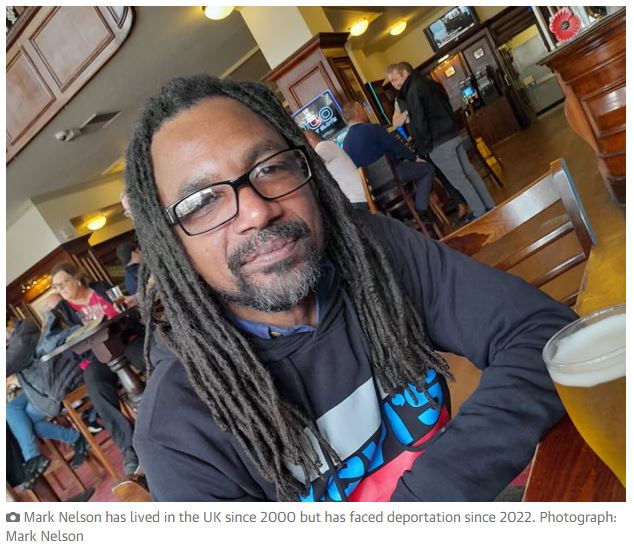
A Jamaican man who has lived in Britain since 2000 has won the right to remain with his British family after facing deportation.
Mark Nelson, who has five British children and a British partner, had been detained while facing removal to Jamaica. His case attracted attention after lawyers challenged the deportation decision.
A judicial review resulted in the Home Office cancelling his planned deportation, allowing Nelson to be released on bail and reunited with his family in northern England.
The case highlights the difficult balance between Britain’s immigration policies and the rights of families who have built their lives in the UK.
The British government maintains that foreign nationals who meet the legal criteria for deportation can be removed following criminal convictions. At the same time, immigration lawyers and campaigners argue that individual circumstances—including children and long-established family relationships—must be properly considered.
The bigger debate
Britain’s immigration system continues to generate strong opinions.
Supporters of tougher deportation rules argue that serious criminal offences should have consequences regardless of how long someone has lived in Britain.
Critics argue that deporting people who have spent decades in the UK can break up families and send people to countries where they may have few remaining connections.
For Jamaican-British communities, these cases can be particularly sensitive because of the long history of migration between Jamaica and Britain.
Nelson’s case is therefore about more than one man—it raises a broader question: when someone has spent most of their adult life in Britain and has children who are British citizens, where should “home” be considered to be?
 Total views : 108290