


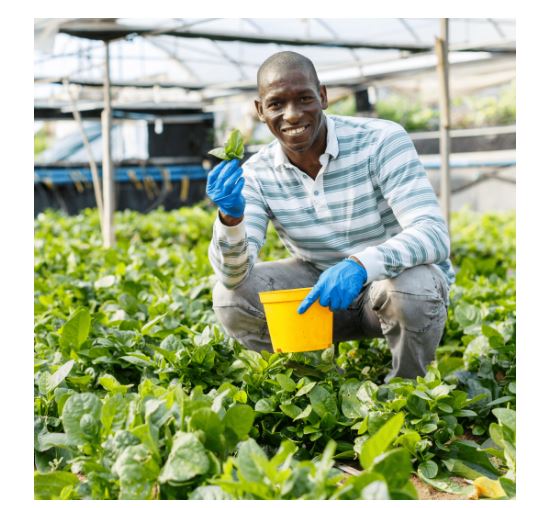
Jamaica is accelerating efforts to modernize its agricultural sector through the adoption of smart farming technologies and sustainable agricultural practices. As the country works to improve food security and reduce reliance on imported food products, farmers are increasingly turning to innovation to boost crop yields, improve efficiency, and adapt to changing climate conditions.
Agriculture remains a vital pillar of Jamaica’s economy, supporting thousands of livelihoods while contributing significantly to rural development and national food production.
Modern Technology Reaches Jamaican Farms
Across the island, farmers are embracing modern agricultural technologies to improve productivity and reduce operational costs.
These innovations include:
- Drip irrigation systems
- Climate monitoring equipment
- GPS-assisted land management
- Automated watering systems
- Drone technology for crop monitoring
- Mobile applications for farm management
Agricultural specialists say these technologies allow farmers to make more informed decisions, conserve resources, and improve harvest quality.
Strengthening Food Security
Food security has become an important national priority as governments worldwide seek to protect domestic food supplies from global supply chain disruptions and climate-related challenges.
By increasing local food production, Jamaica aims to reduce dependence on imported agricultural products while ensuring consumers have greater access to fresh, locally grown produce.
Officials continue encouraging the cultivation of crops such as vegetables, fruits, root crops, and grains to strengthen domestic food resilience.
Climate-Smart Agriculture
Changing weather patterns remain one of the biggest challenges facing Jamaica’s agricultural sector.
Farmers are adopting climate-smart practices including:
- Rainwater harvesting
- Soil conservation techniques
- Crop diversification
- Drought-resistant crop varieties
- Improved irrigation management
These methods help farms remain productive despite periods of drought, heavy rainfall, and other extreme weather events.
Supporting Small Farmers
Small-scale farmers continue to play a critical role in Jamaica’s food system.
Government agencies, agricultural organizations, and financial institutions are expanding support through:
- Technical training
- Agricultural grants
- Access to improved seeds
- Equipment financing
- Extension services
- Marketing assistance
Industry experts say empowering small farmers strengthens rural communities while increasing national agricultural output.
Expanding Agricultural Exports
Jamaican agricultural products continue to find demand in international markets.
Products such as coffee, cocoa, spices, tropical fruits, and specialty produce contribute valuable export earnings while showcasing Jamaica’s agricultural reputation abroad.
Improved farming techniques and quality standards are helping producers remain competitive in global markets.
Young People Enter Agriculture
Agriculture is becoming increasingly attractive to younger entrepreneurs who view farming as a technology-driven business opportunity rather than traditional manual labor.
Many young farmers are incorporating digital tools, greenhouse production, hydroponics, and precision agriculture into their operations.
Educational institutions are also expanding agricultural science and agribusiness programs to prepare the next generation of farmers.
Challenges Facing the Sector
Despite encouraging progress, the agriculture industry continues to face several obstacles.
Key challenges include:
- Climate change and extreme weather
- Rising fertilizer and fuel costs
- Limited access to financing
- Pest and disease management
- Labour shortages
- Market price fluctuations
Agricultural stakeholders say continued investment and innovation will be necessary to address these issues while supporting long-term growth.
Sustainability Remains a Priority
Environmental sustainability is becoming increasingly central to Jamaica’s agricultural development strategy.
Farmers are adopting practices that reduce water consumption, improve soil health, and minimize environmental impacts while maintaining productivity.
Industry leaders believe sustainable farming will be essential to ensuring agriculture remains resilient for future generations.
Looking Ahead
Jamaica’s agricultural sector appears well positioned for continued modernization.
As more farmers embrace technology, sustainable practices, and climate-smart solutions, the country is expected to strengthen food security while creating new opportunities for economic growth and rural development.
Experts believe collaboration between farmers, government agencies, researchers, and private investors will be key to building a more productive and resilient agricultural industry in the years ahead.
 Total views : 106000